
MY VIEW · UPDATE
Black Tides: Draga’s Wake — The horror game coming from a team with Rockstar and Naughty Dog on their resume
Black Tides: Draga’s Wake · 08/10/2026
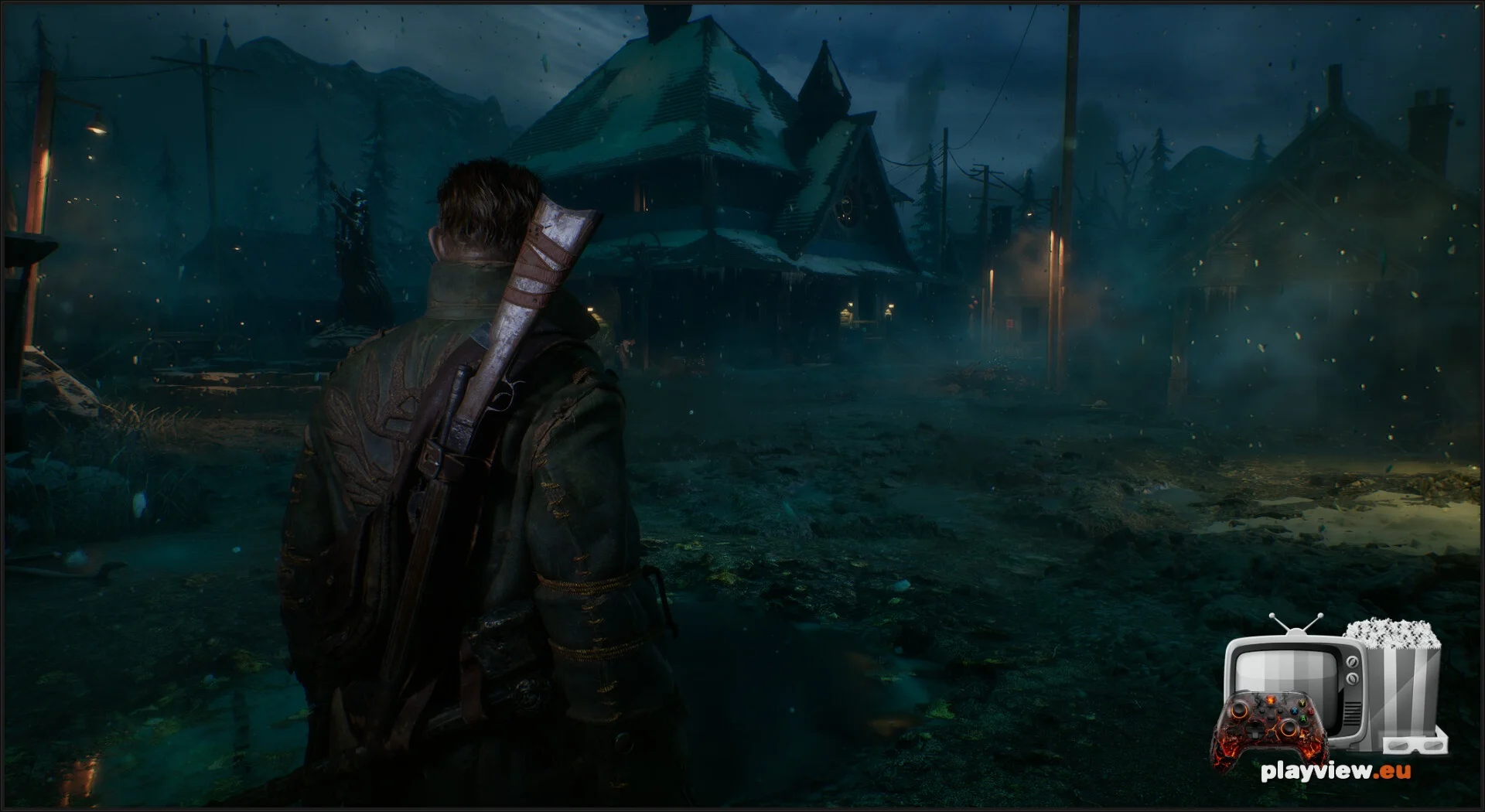
The gameplay follows the principles of survival horror, but it is not limited to hiding from enemies. Draga has access to melee attacks, dodging, and ranged attacks, while ammunition and other resources remain limited. The team is therefore aiming for an experience where combat comes at a cost, forcing players to decide when an enemy is worth confronting and when avoiding the threat is the better option.
A frozen whaling ship in 1909, a cult, ancient gods, and a man who is slowly beginning to turn into something inhuman. That is the core idea behind Black Tides: Draga’s Wake, an ambitious survival horror game that has attracted attention not only for its atmosphere, but also for the people behind it.
The game is being developed by Strange Creature Factory, a small studio founded in 2022 in Halifax, Nova Scotia. Despite its size, the team’s background is anything but typical indie territory, with members having worked on major video game projects as well as film and television productions.
At the center of the studio is Greg Strangis, founder and Creative Director of Strange Creature Factory, whose previous experience includes work with Rockstar Games, Naughty Dog, Turtle Rock Studios, and People Can Fly. The team’s credits include projects such as Red Dead Redemption II, Grand Theft Auto V, For Honor, and Intergalactic: The Heretic Prophet, alongside experience in creature design and visual effects for film and television.
That background is clearly reflected in Black Tides itself. The game is not simply built around jump scares or a succession of dark corridors. Considerable attention has been given to creature design and to creating the feeling that the world around the protagonist is slowly beginning to warp and transform.
The story takes us to 1909 and the Ormora, a massive whaling steamer trapped in the ice. The protagonist is Draga Bolivar, a smuggler and pirate first mate who finds himself caught between a mysterious cult and forces that go far beyond human understanding.
The particularly intriguing element is that the Ormora itself does not remain an ordinary ship for long. Its metal structure gradually gives way to organic matter, while Draga’s own body begins to be affected by the presence of an ancient god. As a result, the body horror is not simply part of the game’s visual identity; it is directly connected to the story and to the protagonist’s identity.
The gameplay follows the principles of survival horror, but it is not limited to hiding from enemies. Draga has access to melee attacks, dodging, and ranged attacks, while ammunition and other resources remain limited. The team is therefore aiming for an experience where combat comes at a cost, forcing players to decide when an enemy is worth confronting and when avoiding the threat is the better option.
The influences are relatively easy to identify. There is the survival horror structure reminiscent of Resident Evil, the industrial and claustrophobic environments of Dead Space, the body horror of The Thing, and, naturally, the influence of cosmic horror and Lovecraft. At the same time, the team’s work in creature design points toward cinematic influences, with Guillermo del Toro being one of the notable references mentioned by Strangis himself.
Perhaps the most interesting part of Black Tides’ development story, however, is that its first playable demo was created in roughly a year without external funding. For such an ambitious project, that is an impressive achievement, but it also explains the major step the game now needs to take.
Strange Creature Factory is looking for a publisher and funding that would allow the team to expand production, grow the studio, and bring the game to a level that matches its ambitions. That puts Black Tides at a particularly important stage of development.
The big question now is whether Strange Creature Factory can secure the resources and the right partner to turn this idea into a complete horror experience capable of standing alongside the major influences that helped shape it.
For now, then, the Ormora remains firmly on our radar. Not as yet another horror game that is simply “coming in 2027,” but as an ambitious project that is still making its way toward full production.


