Dark

The ultimate Mindfuck!3 years where the fans of the series, it's a given that after every episode they tried to put the pieces of the puzzle together and not go crazy!
I still remember spending hours the next day talking with friends about what we'd watched the night before. Conversations usually sounded like: "No, you've got it wrong! What we're seeing happened before, which means the future we've already seen might never happen!" That was the magic—and the madness—of Dark.
From the very first episode, it becomes clear that Dark has no intention of giving you easy answers. Instead, it challenges you to pay attention—to remember faces, dates, family trees, and seemingly insignificant events—knowing that even the smallest detail could become crucial several episodes later.
This is not a series you casually watch while scrolling through your phone. Miss a few minutes, and there's a good chance you'll lose the bigger picture entirely.
The most remarkable thing about Dark isn't time travel itself. That concept has been explored for decades in both film and television. What truly sets Dark apart is the way it treats time not as a storytelling device, but as the story's central character.
The creators build a narrative that feels almost mathematical in its precision. Every event has a cause and a consequence. Every choice leads to something that has already happened—or is destined to happen. The idea of free will is constantly questioned, leaving viewers wondering whether fate can ever truly be changed.
It's this philosophical foundation that gives Dark far more depth than a typical science-fiction series.
If there's one word that defines Dark, it's atmosphere.
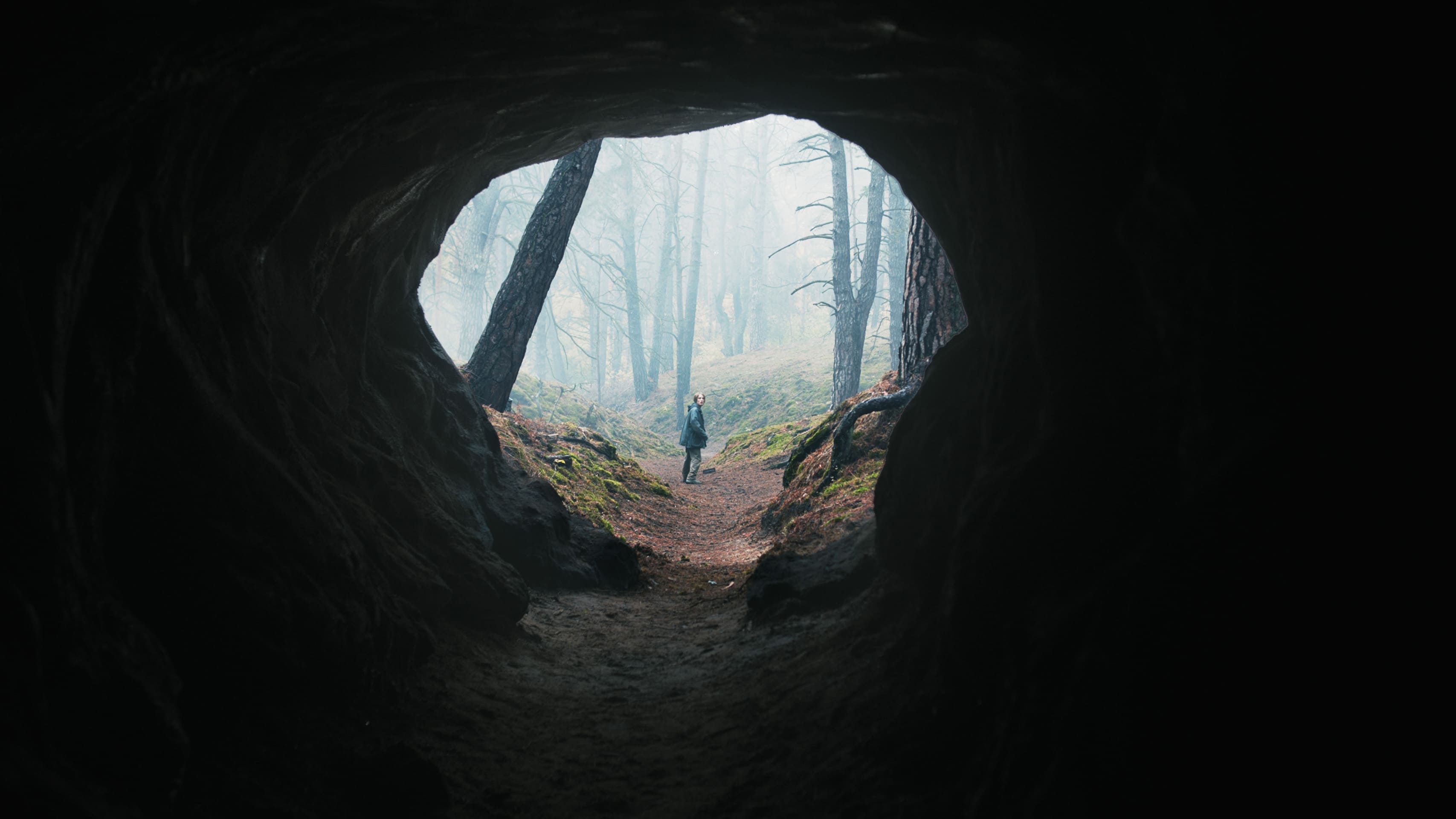
The small German town of Winden feels like a living organism. The forests, caves, relentless rain, dense fog, and permanently grey skies create a constant feeling that something is fundamentally wrong.
Dark's greatest achievement is its incredible consistency. Despite juggling multiple timelines, sprawling family trees, and parallel realities, it manages to keep almost every detail coherent until the very end.
In a story this complex, you'd expect countless plot holes.
Instead, most mysteries receive satisfying explanations, and many scenes take on an entirely new meaning once you've seen the finale.
It's one of those rare series that genuinely rewards a second—or even a third—rewatch.
If there's one point where Dark truly tests its audience, it's Season 3.
The introduction of additional worlds and even more timelines significantly increases the complexity. At times, it's easy to feel lost if you don't have a solid grasp of everything that came before.
Even so, the finale manages to bring almost every piece of the puzzle together in a way that very few television series have ever achieved.
Of course, not everything about Dark is perfect.
Its overwhelming complexity can be intimidating for many viewers. Plenty of people found themselves relying on family trees, diagrams, or detailed notes just to keep track of the story.
The deliberately slow pace of the opening episodes also requires patience. Dark focuses far more on building mystery than delivering constant action, which won't appeal to everyone.
Dark was Netflix's first German original series and went on to become one of the platform's biggest international success stories.
The casting team deserves enormous credit for finding actors who genuinely resemble each other across different stages of their characters' lives—a remarkable achievement that became one of the show's defining strengths.
The creators also drew inspiration from scientific theories and philosophical concepts surrounding time, determinism, and paradoxes, ensuring that the story's internal logic remained remarkably consistent.
Many objects and locations reappear across different decades with only subtle changes, reinforcing the idea that time itself moves in endless cycles.
Dark isn't just one of the greatest science-fiction series ever made—it's one of the most meticulously constructed television stories, regardless of genre.
It never tries to simplify itself or hand viewers easy explanations. Instead, it demands attention, patience, and active participation. Those willing to immerse themselves in the world of Winden will be rewarded with an unforgettable experience that stays with them long after the final episode ends.


