
Played on PC Windows
The Return of a Legend

The graphics, sound, lighting, characters, environments, and several gameplay mechanics had been improved, so there was no way I was going to miss the opportunity to return to the world of the game! I experienced those same emotions once again, even if to a slightly lesser degree. I was moved, and I remembered the experiences I had accumulated over all these years with a truly epic series.
The Mass Effect Legendary Edition was released on May 14, 2021, bringing together all three games from the original trilogy in a single package. It was not a remake, nor was it a new version of Commander Shepard's story. BioWare chose to preserve the original games while upgrading their technology, fixing issues, and bringing the first Mass Effect, in particular, closer to the standards of the following two titles. The result was a collection featuring more than 40 DLC additions and an overall package offering well over 100 hours of gameplay.
A Genuine Technical Upgrade — Not Just a Higher Resolution
The biggest change that immediately catches your attention is, of course, the visuals. Legendary Edition supports resolutions of up to 4K Ultra HD and HDR, while BioWare upgraded tens of thousands of textures, many of which received several times their original resolution. Character models, armour, weapons, and environments gained additional detail, while significant improvements were made to shaders, visual effects, and lighting.
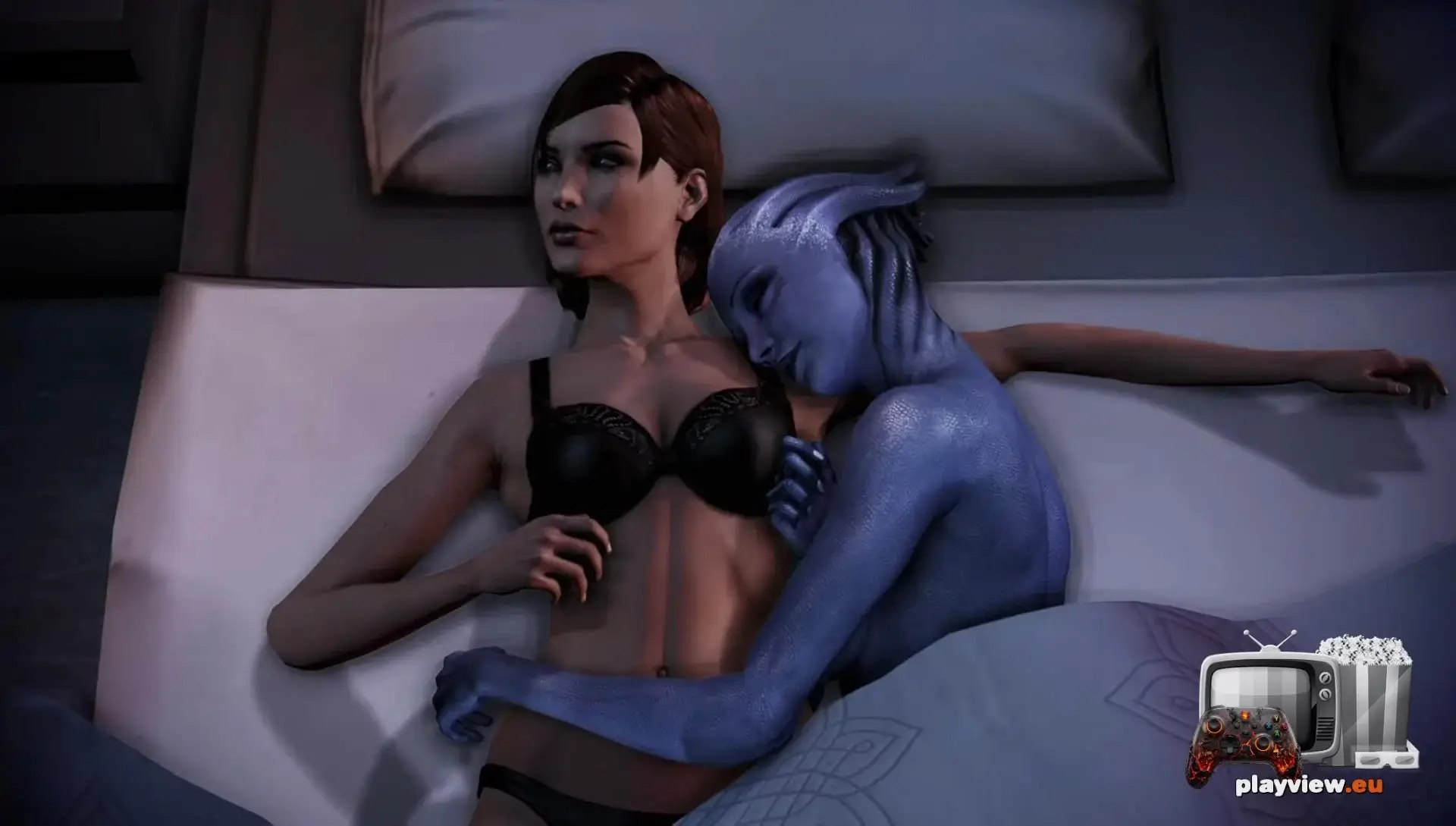
However, the improvements were not limited to image clarity. Dynamic shadows, ambient occlusion, anti-aliasing, depth of field, and volumetric effects, such as smoke, fog, and light scattering throughout the environment, were all improved. Real-time reflections were also enhanced, while fire, explosions, and particle effects became richer and more detailed.
Considerable work was also put into the cinematics. Wherever possible, pre-rendered scenes were recreated in 4K. In cases where this was not possible, AI-assisted upscaling techniques were used, alongside colour corrections, additional visual elements, and improvements to individual frames. As a result, cinematic scenes now come much closer to the graphical quality we see during gameplay.
The improvements were particularly noticeable in the first Mass Effect. Eden Prime, Feros, Virmire, and other locations gained more detail, additional environmental elements, and improved lighting. BioWare did not simply want to make the visuals sharper; it wanted to give the first title an appearance that better matched the artistic direction of the following two games.
Mass Effect 1 Was the Game That Needed the Most Work
If there is one game that benefited the most from the upgrade, it is undoubtedly the original Mass Effect. BioWare made substantial changes to the combat system, as the original version had a considerably slower and more rigid control scheme.
Weapon accuracy was improved, aiming became more consistent, weapon sway on sniper rifles was reduced, and the aiming system received better aim assist. All classes could now use all weapons without the old accuracy penalties, although weapon specialisation and the development of the corresponding skills remained tied to the selected class. A dedicated melee attack button was added, while Shepard could now sprint outside combat as well.
Changes were also made to Medi-Gel, character abilities, weapon cooldown times, and inventory management. We could now mark items as Junk, sell them, or convert them into Omni-gel in bulk, while sorting options were also introduced. Squadmates could receive independent commands, and the AI behaviour of both allies and enemies was improved.
The Mako deserves a special mention. The vehicle, which had caused quite a bit of frustration because of its handling, became more responsive and enjoyable to drive. Even some boss encounters were slightly redesigned to make them fairer without removing their challenge.
Overall, the first game gained a much more modern feel without losing its RPG identity.
As a huge Mass Effect fan, when the Legendary Edition came out, truth be told, I wondered if I should really replay everything from scratch. That thought only lasted a few days, because of course I bought the Legendary Edition and played through the whole thing all over again!
In the next two games, the changes were more limited, as their gameplay systems had already evolved into a more modern form. BioWare focused primarily on visual improvements, stability, bug fixes, and creating a more unified experience.
Cover systems, character behaviour, and certain aspects of the controls were improved. Character creation became consistent across all three games, with more options for hairstyles, hair colours, skin tones, and makeup. We could now use the same Shepard appearance code throughout the trilogy, maintaining the same look from beginning to end.
In fact, the female version of Shepard from Mass Effect 3 became the default option across all three games, without removing the original male model that players had known from previous releases.
The audio also underwent new processing and mixing, while hundreds of old bugs were fixed. On PC, native controller support, ultrawide 21:9 display support, and DirectX 11 were added, while loading times were noticeably reduced.
Did Anything Change in the Story or Narrative?
This is perhaps the most important question for those who have already played the original trilogy. The answer is that BioWare did not rewrite the story, change the main plot, or introduce a new narrative ending. The choices, characters, relationships, and events remain essentially the same.
There are, however, some minor presentation adjustments and changes to individual elements of the content. Certain scenes feature different camera framing or improved camera positioning, while minor inconsistencies and technical issues have been corrected. In some cases, details involving missions or environments were also adjusted, without changing the overall narrative direction.
One useful addition is that the Mass Effect: Genesis comics were incorporated as an optional experience before Mass Effect 2 and 3. This means that even if someone starts directly with the second or third game, they can still choose the important decisions from the previous titles.
There is, however, something that was not included: the Pinnacle Station DLC from the first Mass Effect. The reason was that its original source code had become corrupted, and BioWare could not safely transfer it without rebuilding it from scratch. Also, the multiplayer mode from Mass Effect 3 is completely absent from Legendary Edition, along with its corresponding multiplayer DLC packs.
Is Legendary Edition the Best Way to Play the Trilogy?
For me, the answer is an unequivocal yes. If someone wants to experience Commander Shepard's story today, Legendary Edition is the most complete and practical way to do it. It offers better visuals, smoother controls, shorter loading times, and almost all the important additional content gathered together in one package.
Most importantly, you can play all three games consecutively, carrying your decisions and character progression from one title to the next, without having to search for older versions and separate DLC packs. For someone who has never experienced the series, it is the ideal starting point. For those who have already lived through it, it is a great excuse to return.
Of course, there are reasons why someone might want to seek out the original releases, mainly if they want to experience Mass Effect 3's multiplayer or play Pinnacle Station. But for the main story and the complete single-player experience, Legendary Edition is the version I would recommend without a second thought.
A Return That Was Worth Every Minute
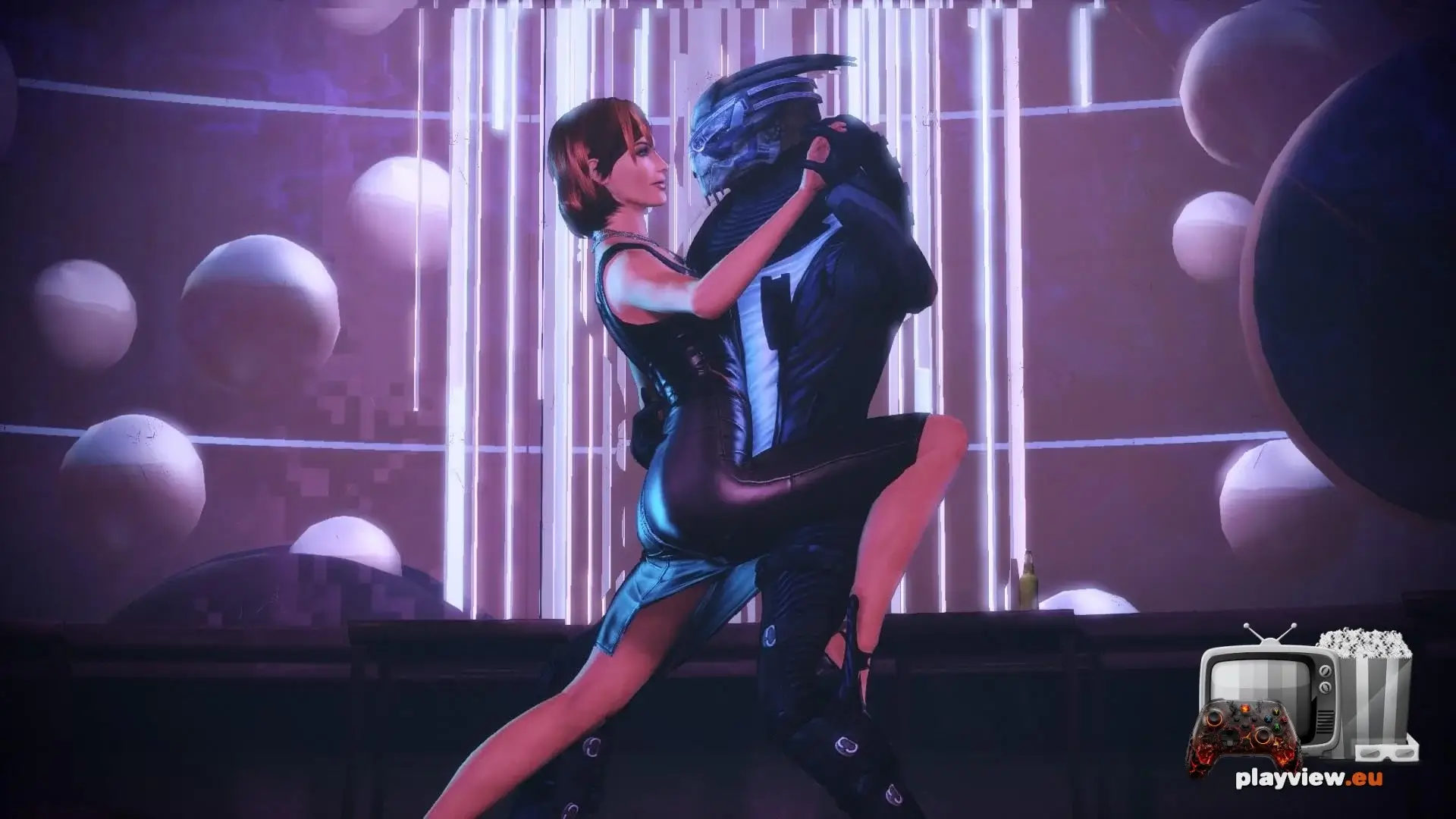
I will not pretend that Legendary Edition made me love Mass Effect more than I already did. That would be difficult. What it did achieve, however, was giving me the opportunity to return to a world that had left its own mark on me over the years. To meet Garrus, Wrex, Liara, Tali, and all the other characters once again, make those decisions all over again, and remember why this trilogy is considered so special.
The Legendary Edition didn't need to change the story to achieve its goal. It was enough to present it in the best possible light, fixing what had aged poorly and preserving what made the games so beloved in the first place. For me, it was a return worth every single minute. And if someone has never played Mass Effect, I honestly can't think of a better way to start this journey.


