Did Keyser Söze exist after all?

When it was released in August 1995, The Usual Suspects was not a massive commercial production from the start. Its promotion relied heavily on the question "Who is Keyser Söze?", building mystery around a character who became synonymous with the invisible, almost mythical criminal.
A beloved film, where surely someone in your group will have told you "oh come on, it was obvious what was happening from the beginning" (those guys are everywhere), but surely for many of us the surprise was tremendous! The Usual Suspects is one of those movies that doesn't need impressive effects, huge sets, or non-stop action to leave its mark. It needs a smart script, exceptional actors, and a director who knows how to play with your perception. And in 1995, Bryan Singer along with screenwriter Christopher McQuarrie created one of the most distinctive crime thrillers of the 90s.
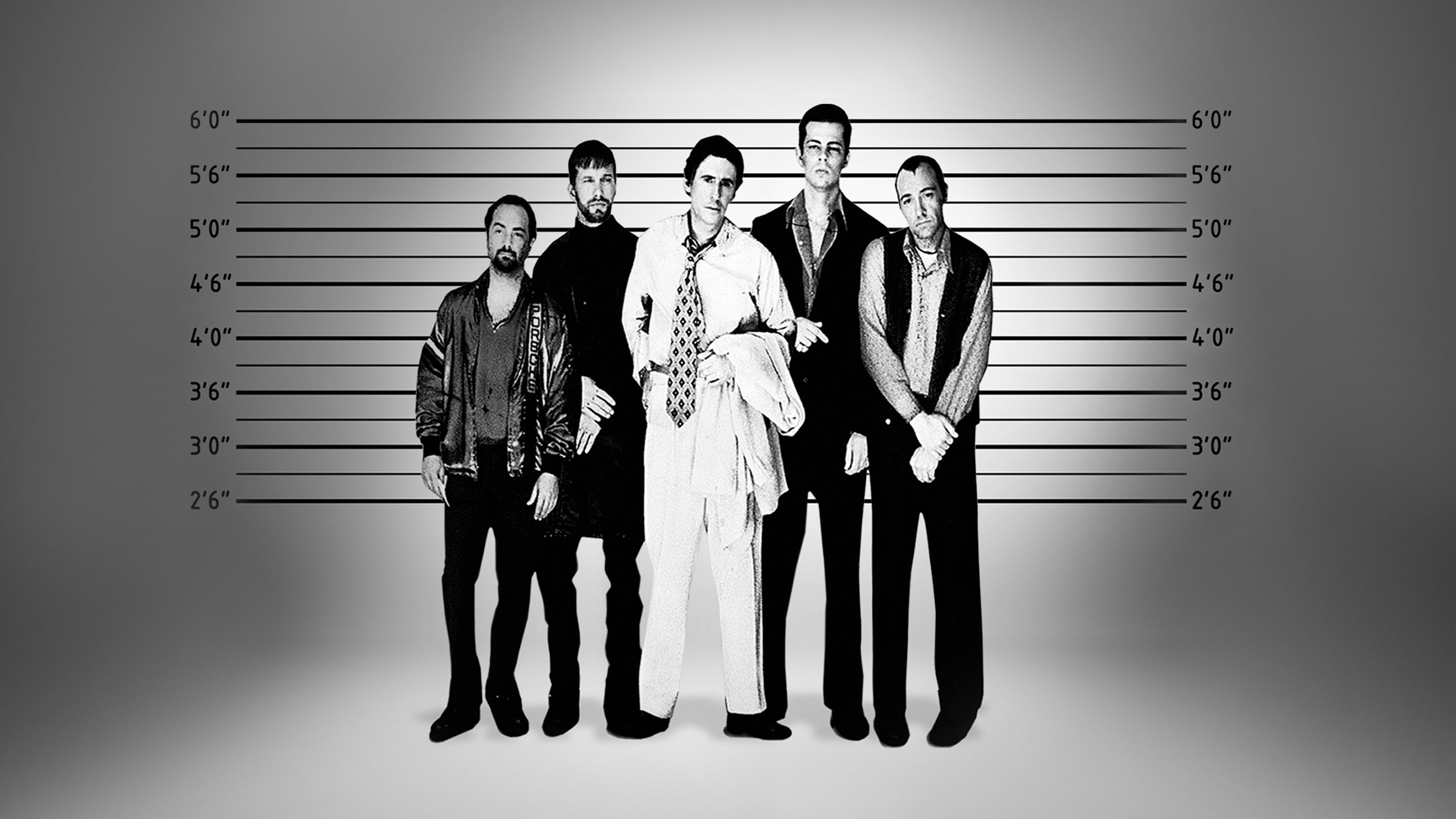
The story begins after a bloody explosion on a ship at the port of San Pedro, with agent Dave Kujan trying to piece together the events through the narration of Roger "Verbal" Kint, a petty criminal who seems to know more than he reveals. Gradually, the story of five criminals, a dangerous operation, and a name that strikes fear into the underworld unfolds: Keyser Söze. The great advantage of the film is that it makes you believe you are watching the pieces of a puzzle, while in reality you are never entirely sure who is holding the box with the picture.
Christopher McQuarrie won the Oscar for Best Original Screenplay for the film, while Kevin Spacey claimed the Oscar for Best Supporting Actor for his performance as Verbal Kint. The film's success relied heavily on the strength of the script and the chemistry of an exceptional cast, which also features Gabriel Byrne, Chazz Palminteri, Benicio del Toro, Stephen Baldwin, Kevin Pollak, and Pete Postlethwaite.
One of the most interesting elements of the production is that John Ottman undertook both the editing and the score. His work in the editing room is decisive, as the story constantly shifts between the interrogation and the events narrated by Verbal, creating a sense that everything is connected with absolute precision. The difficult part is not simply hiding the truth from the viewer, but presenting them with a version of it that feels convincing.
And there is yet another clever game at play: the film's title alludes to the "usual suspects", yet the real question is not just who committed the crime. It is who controls the story we hear and how easily we accept as true what we see on screen. That is precisely the power of the film: it makes you a participant in the deception, without needing to tell you that you have been deceived.
When it was released in August of 1995, The Usual SuspectsIt was not a massive commercial production from the start. Its promotion relied heavily on the question "Who is Keyser Söze?", creating an aura of mystery around a character who became synonymous with the invisible, almost mythical criminal. The film grossed approximately $23.3 million in North America, a result that gains particular significance when we consider that it was a relatively low-budget thriller, lacking the commercial clout of a major blockbuster.
Critical reception was generally positive, though not unanimous. Today, Rotten Tomatoes records an 87% positive rating, while on Metacritic the film holds a score of 76/100. Roger Ebert, however, was among its most notable detractors, arguing that the story relied too heavily on the twist at the expense of substantive character development. This debate remains interesting even today: for some, the film is a masterclass in deception, while for others its big trick overshadows everything that precedes it.
History, however, vindicated its place in the cinematic canon. Its two 1996 Oscars, for Kevin Spacey and Christopher McQuarrie, confirmed its success, while its influence on modern crime storytelling remains evident. The film did not become legendary simply because it hid a twist, but because it managed to turn the narrative itself into a weapon.
For me, The Usual Suspects is a legendary film. Not only for its finale, but for the way it builds its atmosphere, for its characters, and for the patience with which it leads you toward a revelation that changes everything you thought you understood. Kevin Spacey delivers a performance that balances between vulnerability and doubt, while Chazz Palminteri functions ideally as the man who believes he is in control of the interrogation. The rest of the cast completes an ensemble that makes every conversation, every glance, and every small detail feel important.
What I appreciate most is that the film does not treat you as a passive viewer. It challenges you to observe, suspect, and build your own theories. And even if someone claims they had figured everything out from the start, there is a difference between guessing a twist and truly understanding the way the script led you there. After all, the value of a good twist lies not only in whether it caught you by surprise, but also in whether it makes you want to rewatch the movie from a different perspective.
The Usual Suspects remains one of the best examples of how a clever story can transcend the limits of its era. It is dark, well-crafted, full of characters you cannot trust, and features an ending that has now passed into cinematic history. And if there is one title worth returning to, knowing that this time you will notice different things, it is definitely this one..
The Usual Suspects remains one of the best examples of how a clever story can transcend the limits of its era. It is dark, well-crafted, full of characters you cannot trust, and with an ending that has now passed into cinematic history. And if there is one title worth returning to, knowing that this time you will notice different things, it is certainly this one.


